







May 01, 2026
7 Ways to Keep Your Valuables Safe While Traveling
By
Sophie Blanchflower
Share this article


Traveling with valuables can feel stressful, especially when you're exploring unfamiliar places or staying in busy tourist areas. This guide is for travelers who want to protect their money, passports, electronics, and other important items without constantly worrying about theft or loss.
Smart travelers know that keeping valuables safe while traveling requires more than just luck. You need practical strategies that work in real-world situations, from crowded markets to hotel rooms.
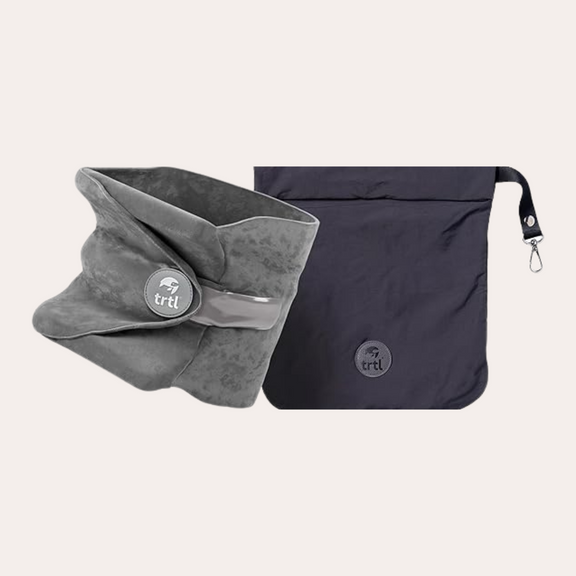
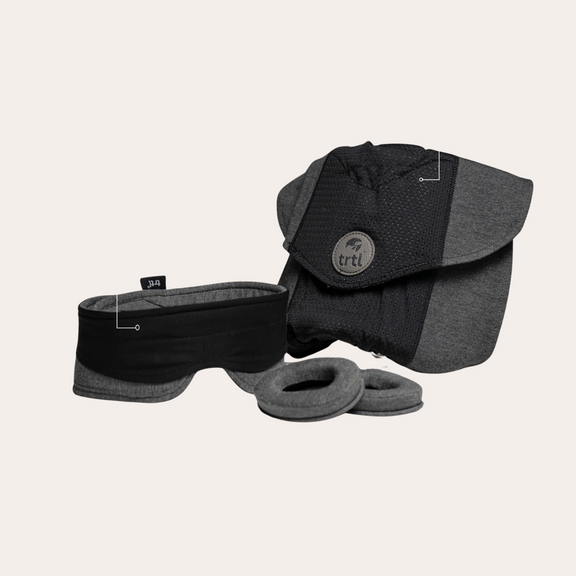
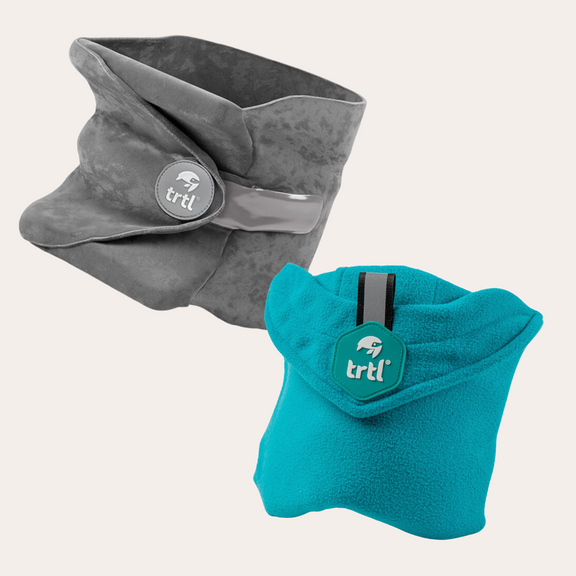
We'll cover proven methods like using hidden money belts and pouches to keep cash and documents close to your body, plus smart luggage solutions that include innovative options like a trtl flask with storage lid for valuables. You'll also learn street-smart awareness techniques that help you spot potential threats before they become problems, and how to create backup plans that protect you if something goes wrong.

Use Hidden Money Belts and Pouches
Choose RFID-blocking money belts for passport protection
RFID-blocking money belts protect your passport and credit cards from digital pickpocketing, where thieves scan your cards through clothing. Quality belts feature multiple compartments that distribute weight evenly around your waist, making them virtually undetectable under loose clothing. Look for moisture-wicking materials and adjustable straps for comfort during long travel days.
Distribute cash across multiple hidden compartments
Smart travelers never keep all their money in one place. Split your cash between a money belt, hidden pockets in your luggage, and even creative storage solutions like a trtl flask with storage lid for valuables. Keep small bills easily accessible for daily expenses while storing larger denominations in your most secure compartment.

Secure Your Hotel Room Properly
Request rooms on higher floors away from main entrances
Savvy travelers know that location matters when it comes to hotel security. Ask for rooms on floors three and above, as ground-level accommodations are easier targets for opportunistic thieves. Rooms positioned away from elevators, stairwells, and main entrances offer added protection since they're less visible to potential criminals scouting for easy opportunities.
Store valuables in hotel safes with unique codes
Hotel safes provide excellent protection when used correctly. Set a personal code that's meaningful only to you - avoid obvious combinations like birthdates or room numbers. Store important documents, extra cash, and jewelry inside, but keep copies of essential papers separately. Items like a trtl flask with storage lid for valuables can add an extra layer of concealment for smaller precious items.
Keep curtains closed to prevent visibility from outside
Privacy equals security when you're staying in unfamiliar territory. Closed curtains prevent outsiders from observing your movements, possessions, or daily routines. This simple habit makes it impossible for anyone to determine when you're present or away, what valuables you might have, or how many people are staying in the room.

Leverage Technology for Digital Security
Enable Two-Factor Authentication on All Accounts
Setting up two-factor authentication (2FA) creates an extra security layer that protects your accounts even if passwords get compromised. Enable 2FA on banking apps, email, social media, and travel booking platforms before departure. Use authenticator apps like Google Authenticator or Authy rather than SMS verification, which can fail internationally.
Store Backup Copies of Documents in Cloud Storage
Upload scanned copies of your passport, driver's license, travel insurance, and emergency contacts to secure cloud services like Google Drive or iCloud. Create a dedicated "Travel Documents" folder with password protection. This digital backup proves invaluable if physical documents are lost or stolen during your trip.
Install Tracking Apps on Electronic Devices
Download "Find My Device" for Android or "Find My iPhone" for Apple products to locate missing electronics remotely. Enable location services and ensure devices stay logged into your accounts. Consider apps like Prey or Cerberus for additional anti-theft features, including remote data wiping capabilities.

Choose Smart Luggage Solutions
Invest in TSA-approved locks with steel cables
Quality luggage locks serve as your first line of defense against opportunistic theft. TSA-approved combination locks with retractable steel cables offer superior protection compared to basic zippers alone. These locks allow security agents to inspect your luggage without cutting the lock, while the steel cable can secure multiple bags together or anchor them to fixed objects in hotel rooms.
Use hard-shell suitcases with reinforced zippers
Hard-shell luggage provides exceptional protection for your belongings against both theft attempts and rough handling. The rigid exterior makes it nearly impossible for thieves to slash open bags, while reinforced zippers resist tampering. Many travelers overlook innovative storage solutions like a trtl flask with storage lid for valuables, which can discreetly hold small items within your luggage setup.
Pack valuables in carry-on bags only
Never check valuables in your main luggage. Keep jewelry, electronics, important documents, and cash exclusively in your carry-on bag where you maintain constant control. This strategy eliminates risks associated with lost luggage, baggage handler theft, or delayed flights that separate you from your belongings. Consider packing backup chargers and essential medications in your carry-on as well.

Master Street-Smart Awareness Techniques
Blend in with local dress and behavior patterns
Successful travelers understand that standing out makes them targets. Research local clothing norms before departure and pack accordingly. If locals wear conservative attire, avoid shorts and tank tops. Watch how people interact, maintain eye contact, and move through spaces. Mimic their walking pace and avoid typical tourist behaviors like constantly checking maps or taking photos of everyday objects.
Avoid displaying expensive jewelry or electronics publicly
Keep valuable items completely hidden when navigating public spaces. Remove luxury watches, designer bags, and flashy jewelry before leaving your accommodation. Store phones and cameras in interior pockets rather than dangling them around your neck. Consider carrying a basic watch and simple bag for daily activities, saving expensive items for secure indoor venues only.
Stay alert in crowded tourist areas and transportation hubs
Pickpockets and scam artists target distracted visitors in busy locations. Keep your head up and scan surroundings regularly, especially near popular attractions, train stations, and markets. Trust your instincts when something feels off. Maintain awareness of who's around you and notice if the same person appears multiple times. Create distance from anyone who approaches with unsolicited help or distractions.

Create Decoy Strategies for High-Risk Situations
Carry dummy wallets with small bills and expired cards
Smart travelers know that decoy wallets can be lifesavers in dangerous situations. Load a cheap wallet with $10-20 in small bills, expired credit cards, and old business cards to make it look authentic. When confronted by pickpockets or muggers, hand over the dummy wallet without hesitation - they'll usually grab it and run, leaving your real valuables safe.
Use old phones or cameras when exploring sketchy areas
Leave expensive gear at your hotel when venturing into questionable neighborhoods. Bring an older smartphone or basic camera that still functions but won't devastate your budget if stolen. This strategy lets you capture memories while keeping thieves from targeting you as an obviously wealthy tourist carrying the latest technology.
Keep real valuables locked away during day trips
Store your passport, extra cash, and jewelry in your hotel safe or a secure container like a TRTL flask with storage lid for valuables before heading out. Only carry what you absolutely need for the day - one credit card, small cash amounts, and copies of important documents. Day trips become stress-free when you know your most precious items are safely tucked away from potential threats.

Establish Emergency Backup Plans
Leave copies of important documents with trusted contacts
Store digital copies of your passport, driver's license, travel insurance, and credit cards with reliable family members or friends before departure. Email encrypted files or use secure cloud storage that trusted contacts can access if needed. Include backup copies of your itinerary, hotel reservations, and emergency contact information.
Set up emergency contact protocols with family
Create a communication schedule with loved ones, sharing your daily check-in times and backup contact methods. Provide them with your accommodation details, local emergency numbers, and a secondary phone number or email they can reach. Establish code words for different emergency situations and ensure multiple family members have this information in case your primary contact becomes unavailable.
Protecting your valuables while traveling doesn't have to be complicated or expensive. From hidden money belts to securing your hotel room, using technology wisely, and staying street-smart, these seven strategies work together to create multiple layers of protection. The key is combining physical security measures with smart digital habits and always having a backup plan ready.

Start implementing these techniques on your next trip, even if it's just a weekend getaway. Practice wearing a money belt at home, test your hotel room security routine, and set up those emergency contacts before you need them. Remember, the best security system is the one you actually use consistently. Safe travels, and enjoy the peace of mind that comes with knowing your valuables are protected!