










Apr 15, 2026
Easter Road Trip Ready: Everything You Need for the Perfect Long Weekend Drive
By
Sophie Blanchflower
Share this article


Planning an Easter road trip this year? Smart move. Long weekend drives give you the freedom to explore at your own pace while creating memories that last way longer than your typical vacation photos.
This guide is for families, couples, and solo travelers who want to turn their Easter getaway into a smooth, stress-free adventure. We'll help you avoid the rookie mistakes that can turn a dream road trip into a highway nightmare.
You'll learn how to prep your car for the journey ahead and pack like a pro using packing pods to keep everything organized. We'll also cover the food and drink essentials that'll keep everyone happy between pit stops - including why that trusty flask might be your best friend on chilly morning drives. Plus, we'll show you how to stay comfortable during those long stretches with game-changing gear like a travel pillow and sleep mask for passenger naps.
Ready to hit the road with confidence? Let's get your Easter adventure started right.

Smart Packing Strategies for Extended Road Trips
Space-saving luggage organization techniques
Mastering the art of packing for long road trips starts with choosing the right containers and maximizing every inch of space. Packing pods are absolute game-changers for extended travel - these lightweight, zippered organizers compress your belongings and create instant order in your luggage. Sort items by category: one pod for underwear and socks, another for shirts, and a third for electronics and chargers.
Roll your clothes instead of folding them. This technique saves up to 50% more space and prevents wrinkles better than traditional folding methods. For bulky items like jackets or sweaters, wear them during travel rather than packing them. Shoes take up considerable space, so stuff socks, underwear, or chargers inside them to maximize efficiency.
Essential clothing for unpredictable spring weather
Spring weather during Easter weekend can swing from chilly mornings to warm afternoons, making clothing selection crucial for comfort and enjoyment. Base your wardrobe around layering pieces that work together and can be mixed, matched, and adjusted throughout the day.
Pack lightweight, moisture-wicking base layers that dry quickly if you get caught in unexpected spring showers. A quality merino wool or synthetic blend works perfectly as your foundation. Add a medium-weight sweater or fleece that you can easily tie around your waist when temperatures rise.
A waterproof, breathable jacket is non-negotiable for spring travel. Look for one that packs down small and has ventilation zippers for temperature regulation. Avoid cotton materials that stay wet and take forever to dry - synthetic blends or wool alternatives perform much better in changing conditions.
Don't forget accessories that make a huge difference in comfort: a lightweight scarf that doubles as a blanket, a baseball cap for sun protection, and waterproof shoes with good grip. Pack an extra pair of socks and underwear for each day - these small items make or break your comfort level.
Entertainment and comfort items for passenger satisfaction
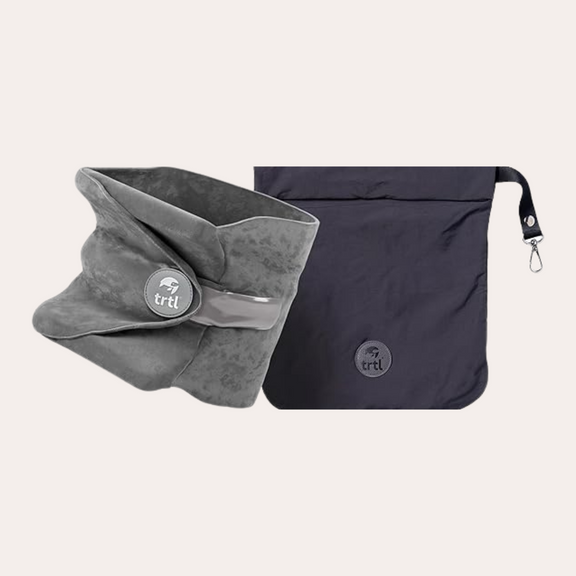
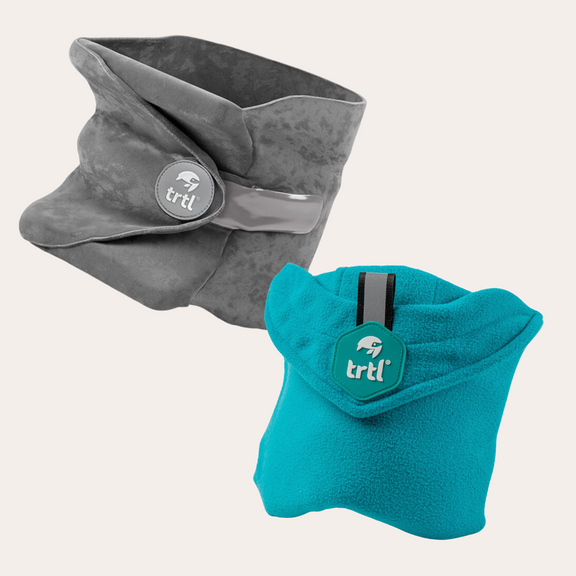
Long hours in the car require thoughtful planning for passenger comfort and entertainment, especially when traveling with family or friends. A high-quality travel pillow like the Trtl travel pillow provides superior neck support compared to traditional U-shaped pillows, making car naps actually refreshing rather than leaving you with a stiff neck.
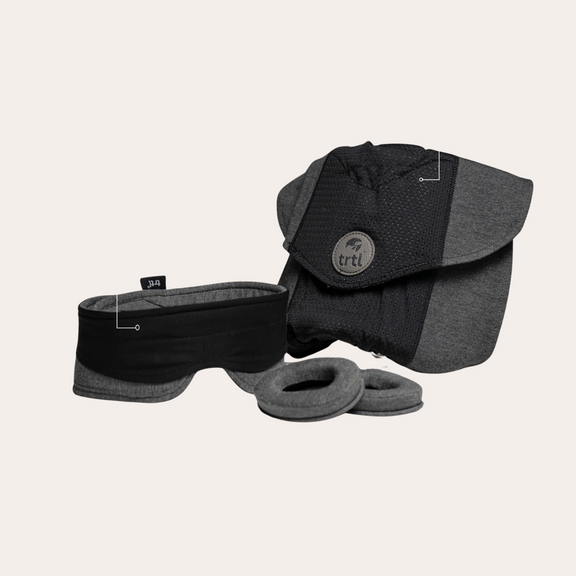
Bring a sleep mask for passengers who want to rest during bright daylight hours. The darkness helps signal your body it's time to sleep, making highway naps more effective. Combine this with noise-canceling headphones or earplugs to create a peaceful sleeping environment despite road noise.
Download entertainment before you hit the road. Podcasts, audiobooks, and offline playlists keep everyone engaged during long stretches of highway. Create collaborative playlists where each traveler contributes their favorite road trip songs. For families with kids, pack tablet devices loaded with movies, games, and educational apps.
Consider comfort items that enhance the journey experience. A flask filled with coffee or a nice cold drink can be a delightful surprise during rest stops. Pack a travel pillow, lightweight blankets, and seat cushions for extended comfort. Wet wipes, hand sanitizer, and tissues are practical necessities that keep everyone fresh and comfortable.

Food and Beverage Planning for Highway Success
Non-perishable snack selection for sustained energy
Smart snacking keeps your energy steady throughout those long stretches of highway. Trail mix remains the gold standard - combine nuts, dried fruits, and a touch of dark chocolate for the perfect balance of protein, healthy fats, and quick energy. Granola bars work well, but skip the overly sweet versions that'll leave you crashing an hour later.
Hydration strategies and beverage storage solutions
Water should be your primary focus, but smart storage makes all the difference. A quality flask keeps coffee or tea at the perfect temperature for hours, making those early morning starts more bearable. Insulated water bottles prevent that awful warm water taste that develops in plastic bottles left in hot cars.
Create a hydration station in your vehicle with easy-reach water bottles for both driver and passengers. Electrolyte tablets or powder packets take up minimal space but help prevent fatigue and headaches on long drives. Sports drinks work too, but water with electrolyte supplements often provides better hydration without excess sugar.
Consider freezing water bottles the night before departure. They'll slowly melt throughout the day, providing consistently cold water while acting as makeshift ice packs for other items.
Meal planning for scenic stops and picnic opportunities
Research your route ahead of time to identify parks, scenic overlooks, or rest areas perfect for meal breaks. These stops transform eating from a necessity into a highlight of your trip. Plan meals that require minimal preparation but feel special - think gourmet sandwiches, pasta salads, or wraps with quality ingredients.
Pack a lightweight blanket and basic utensils to elevate any roadside stop into a proper picnic. Even simple foods taste better when enjoyed with a view.
Cooler packing methods for fresh food preservation
Layer your cooler strategically for maximum efficiency. Ice or frozen gel packs go on the bottom, followed by items that must stay coldest like dairy and meat. Pack tightly to minimize air gaps - empty space lets cold air escape faster.
Pre-chill everything before packing. Never put room temperature items directly into your cooler expecting them to cool down efficiently. Separate drinks into a different cooler if possible, since you'll access beverages more frequently than food.
Block ice lasts longer than cubed ice, but cubed ice chills items faster. For longer trips, consider dry ice for frozen items in a separate container. Keep your cooler in the shade and avoid opening it unnecessarily - each opening releases precious cold air.

Budget Management and Cost-Saving Tips
Accommodation booking strategies for holiday weekends
Easter weekend brings premium pricing to almost every type of accommodation, but smart travelers know how to sidestep these inflated rates. Start your search at least 6-8 weeks before your trip, as this sweet spot often captures early bird discounts before prices spike closer to the holiday.
Consider staying just outside popular destinations rather than in city centers. A 15-20 minute drive can slash accommodation costs by 40-50% while still keeping you close to main attractions. Look for hotels near airports or business districts, which typically offer lower weekend rates since they cater to weekday travelers.
Vacation rentals become goldmines during holiday weekends, especially for groups. Split a three-bedroom house among friends and you'll often pay less per person than budget hotel rooms. Plus, you'll have kitchen access to save on dining costs and space to spread out with your travel gear like packing pods and personal comfort items.
Book midweek stays when possible, arriving Wednesday or Thursday and leaving Monday or Tuesday. Many properties offer significantly lower rates for these less popular check-in days. If your schedule is flexible, this strategy alone can save hundreds on a long weekend trip.
Activity planning that balances cost and enjoyment
Free and low-cost activities often provide the most memorable experiences during road trips. National and state parks typically charge modest entrance fees ($5-15 per vehicle) but offer hiking trails, scenic overlooks, and picnic areas that can fill entire days. Many parks also host special Easter weekend events like guided nature walks or historical reenactments.
Create a 70/30 budget split: allocate 70% of your activity budget to must-do experiences and reserve 30% for spontaneous discoveries. This approach prevents overspending while leaving room for those unexpected roadside attractions or local recommendations that often become trip highlights.
Take advantage of city tourism websites and visitor centers, which frequently offer discount coupons for local attractions, restaurants, and activities. Many destinations also provide free walking tours, though don't forget to tip your guide. These tours give excellent overviews of areas and help you identify which paid attractions are worth your money.

Route Optimization for Maximum Enjoyment
Scenic Detour Identification and Timing Strategies
Planning scenic detours can transform your Easter road trip from a simple journey to an unforgettable adventure. Start by researching alternative routes that add only 30-60 minutes to your total travel time but offer dramatically different landscapes. Apps like Roadtrippers and Scenic Map help identify hidden gems along your path, from covered bridges to mountain overlooks that most travelers miss.
Timing these detours strategically makes all the difference. Schedule scenic stops during peak traffic hours when highways slow to a crawl anyway. Instead of sitting in bumper-to-bumper traffic, you'll be exploring a charming small town or snapping photos at a waterfall. Early morning detours work especially well for photography enthusiasts, as the soft light creates perfect conditions for capturing those Instagram-worthy shots.
Traffic Pattern Analysis for Holiday Travel Periods
Easter weekend creates predictable traffic patterns that smart travelers can navigate with proper planning. Peak exodus times typically occur Thursday afternoon through Friday evening, with Tuesday after Easter marking the heaviest return traffic. Avoid departure times between 3 PM and 7 PM on Thursday and Friday, when commuter traffic combines with holiday travelers to create gridlock.
Early morning departures work best for Easter weekend travel. Leaving between 5 AM and 7 AM puts you ahead of the traffic wave and gives you first access to popular destinations before crowds arrive. If early departure isn't possible, consider leaving after 9 PM when most families with children have already reached their destinations.
Real-time traffic monitoring becomes essential during holiday periods. Download apps like Waze, Google Maps, and INRIX before your trip. These tools provide live updates on accidents, construction, and congestion, allowing you to reroute instantly. Set up traffic alerts for your planned route the night before departure to catch any overnight incidents.

Your Easter road trip doesn't have to break the bank or leave you exhausted before you even reach your destination. Start with the essentials we've covered, give yourself extra time for unexpected discoveries along the way, and remember that sometimes the best memories come from the journey itself, not just the destination. Pack that cooler, charge those devices, and hit the road – your perfect long weekend adventure is waiting just around the bend.